Emergencies do not await the perfect minute. They land in the middle of shift change, during a client see, on a warm Friday when the cooling is already battling. What makes the distinction Helpful hints in between a close telephone call and a disaster is often the top quality of your emergency situation control organisation, and whether your wardens know what to do readily. The pathway from fire warden to chief warden is not almost collecting certifications. It is a progression in judgment, tranquil choice making, and the capacity to lead people when the alarm is genuine and the clock is unforgiving.
This guide traces a functional path with the two core expertise devices in Australia that underpin this ability: PUAETF devices have actually mostly been superseded by PUA and PUAFER devices, consisting of PUAFER005 Operate as part of an emergency control organisation and PUAFER006 Lead an emergency control organisation. It explains where each course fits, what is anticipated of you at each level, exactly how to structure training on website, and the mistakes that flounder also well ready teams.
The emergency situation control organisation in practice
Every center requires an emergency control organisation, sometimes called the ECO, with wardens designated to areas or floors, a chief warden, and usually a deputy chief warden and interactions officer. In multi constructing or multi renter websites, each occupancy might have its own ECO that collaborates to a structure level chief warden. The ECO's job is to identify, connect, and reply to incidents, after that support evacuation or relocation until emergency situation solutions take command. That appears simple, yet every structure, lineup pattern, and risk account makes complex the job.
Think of the ECO as a muscular tissue you construct, not a lineup you fill. The framework must match your occupancy profile. That consists of after hours coverage, specialists, site visitors, and access demands. It also includes the much less noticeable: a major printer moving that obstructs a course of travel, or an access card policy that unintentionally catches site visitors at turnstiles throughout evacuation. The most reliable ECOs are alert to small changes because small adjustments frequently have big impacts under stress.
Fire warden fundamentals, the PUAFER005 standard
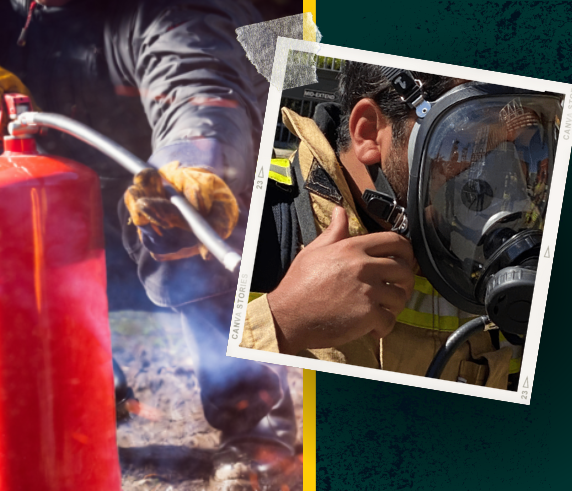
The warden pathway begins with PUAFER005 Operate as part of an emergency control organisation. In simple terms, this is your fire warden course. The device covers the core jobs wardens perform throughout pre occurrence preparedness and throughout an event: sweeping locations, using fire tools when safe, connecting with the chief warden, guiding individuals to assembly, and keeping themselves safe.
Fire warden training under PUAFER005 focuses on the nuts and screws:
- Recognition of alarms and alerting systems, consisting of tones, strobes, WIP phones, and announcements. Practical use of portable devices such as extinguishers and fire coverings, and the judgment to understand when not to utilize them. Search and cleaning methods, including how to sweep bathrooms, web server rooms, silent areas, and end of journey centers where people wear headphones or might not hear the alarm. Communication protocols using radios and WIP panels, and the self-control to keep messages brief and precise. Assisting passengers with specials needs or injuries, including using Emptying Chairs and team methods on stairs.
That all looks basic until you do it genuine. In one evacuation I observed, a warden who breezed with theory training iced up at the view of smoke pressing from a kitchenette. The extinguisher hung untouched for a count of 5 while the pot boiled completely dry and the array hood caught. The retraining later did not focus on concept. We moved to situation drills in the real kitchen space, with full PPE and a safe burn tray, so the muscle memory took control of. That is the spirit of PUAFER005: practical, site particular, and based in actual tasks.
Fire warden demands in the workplace
Workplaces have to assign wardens proportionate to their risk and tenancy. Generally of thumb, one warden for every 20 to 50 owners on a flooring helps reduced risk workplaces, however greater danger atmospheres require more insurance coverage. Take into consideration the footprint: long hallways, multiple fire doors, mezzanines, or regulated locations like laboratories all demand extra wardens. You require enough depth to cover leave, traveling, and sick days, and to cover night shifts or weekend break procedures if the website runs around the clock.
There is no use calling wardens unless you give them the time and authority to train. If managers do not launch wardens for drills, you have a paper ECO. Construct training right into the calendar and secure it much like you would a customer deadline.
Fire warden training requirements and cadence
The typical approach is initial PUAFER005 course shipment, website induction particular to your structure, and after that refreshers. Yearly refresher course training keeps proficiency current. If your dangers transform, revitalize quicker. After any type of actual case, deal with the post occurrence review as a discovering occasion and schedule targeted skills sessions. Maintain a training matrix by name, duty, and competency date, and audit it quarterly. If you are audited or after an event, that matrix is the very first document asked for.
Helmets, hats, and the actual point of colours
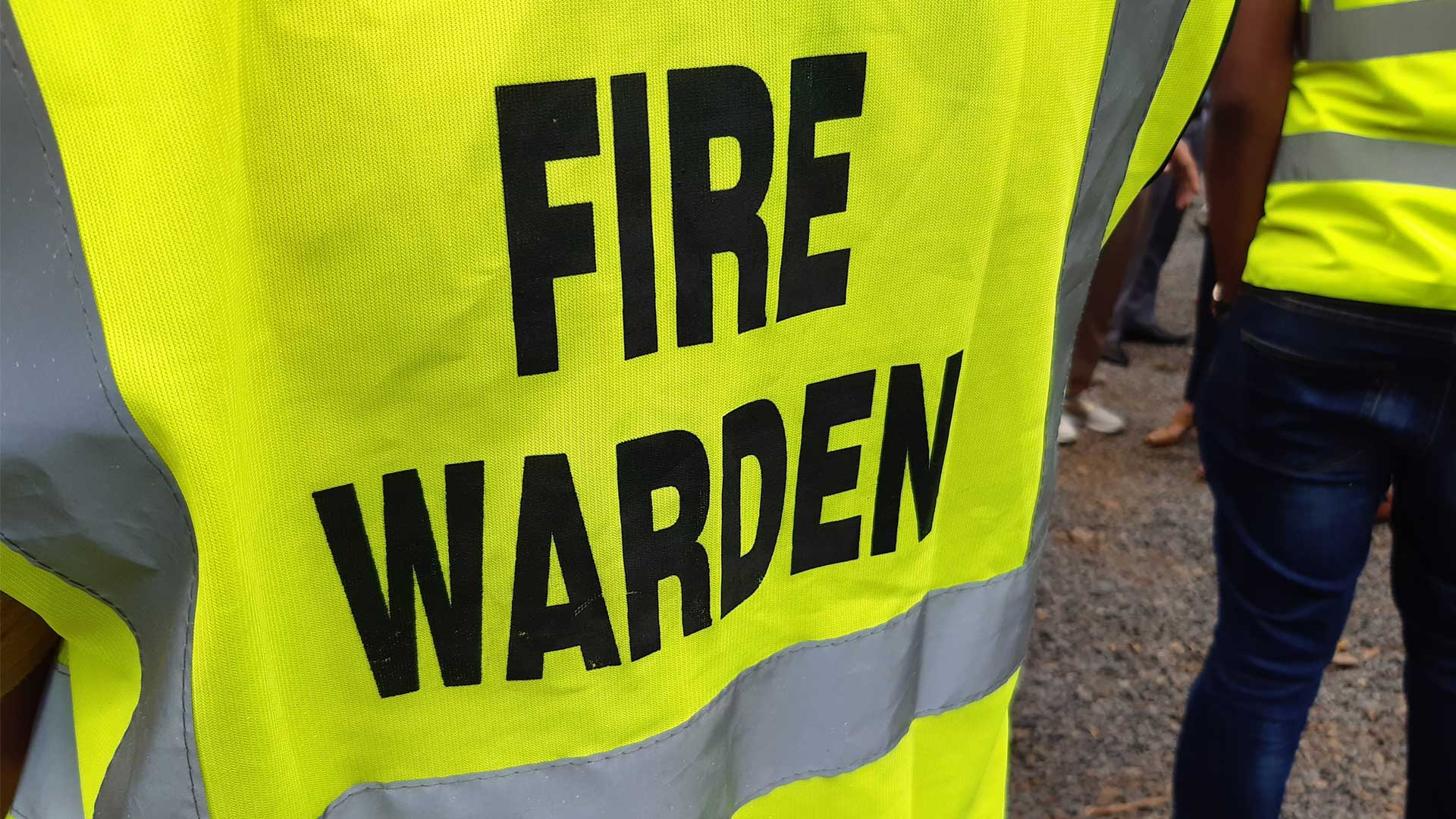
People usually ask about the fire warden hat colour and what colour helmet a chief warden puts on. Colours differ by territory and business plan, yet one of the most extensively used plan in Australia designates red to location wardens and white to chief wardens. Communications or replacement duties frequently put on white with marked identifiers or often yellow. High visibility vests with the function printed front and back have actually largely replaced hard headgears in lots of work environments that do not require head security by default, though headgears still appear on building and construction sites and plants.
Colour is a tool for rate. In a jampacked setting up location, owners must be able to pick the chief warden in two secs, not twenty. Make certain your vests are tidy and easily accessible, not hidden in a cabinet. I have seen teams lose mins rummaging for the ideal vest while the alarm roars. Choose your plan, tag tools, and store it at chosen factors. The far better concern is not what colour helmet a chief warden puts on, it is whether the chief warden, clearly recognizable, is easy to discover and in control when individuals seek leadership.
Stepping as much as leadership, the PUAFER006 standard
Where PUAFER005 is about running as part of an ECO, PUAFER006 Lead an emergency control organisation has to do with command. The chief warden's function increases from doing tasks to choosing, allocating resources, and communicating with emergency solutions. A PUAFER006 course prepares you to run briefings, established priorities, control interactions, and maintain situational recognition as conditions change.
Chief warden responsibilities extend beyond evacuation day. They consist of constructing an ECO that can cover lacks, preserving emergency situation response strategies, collaborating with the structure manager or body company, ensuring equipment like WIP phones and EWIS are checked, and maintaining training current. During an event, the chief warden:
- Confirms the incident panel place and type, confirms details from floor wardens, and prevents early emptying when an alert can be investigated. Sets up a control factor, usually the fire control space or a secure vantage in the entrance hall, and manages all radio traffic. Decides between safeguard in position, partial discharge, and full evacuation with staged sequencing to avoid stairwell congestion. Keeps a single communication channel to emergency situation services, offers succinct updates, and complies with directions when they arrive on site.
The most innovative part of PUAFER006 is choice making under uncertainty. Smoke records on level 3 could be steam. A scent of melting plastic on level 7 could be a lift motor controller, not a work environment fire. Drawing the building out needlessly sets you back countless efficient hours and blunts the severity of future alarms. Delaying also lengthy courts catastrophe. You will not get every phone call best, yet you can get the procedure right. That indicates confirm rapidly, determine, and connect in plain language.
Chief warden training that works
Good chief fire warden training blends class work with useful drills at the site control board. Run tabletop workouts with floor plans, then transfer to live simulations with radios. Turn replacements through the chair so the group is not over based on someone. If you have a huge site, run split scenarios where 2 cases occur at once, as an example a small battery fire on one degree and a clinical emergency situation near a stairwell on one more. It checks prioritisation and delegation better than any type of lecture.
Chief fire warden obligations also include calm aftercare. When the Fire Brigade hands you the website, you handle the return or stand down. That includes bookkeeping for occupants, making statements, and taking care of the challenging middle ground when some floorings can return and others stay isolated. Document your choices. Regulators and insurance companies seek evidence that a skilled person led the response.
Matching training courses to people and risks
Not every person should be a chief warden, and not every positive audio speaker ought to be a flooring warden. Select for judgment, reliability, and the ability to keep their voice level when the area is noisy. Individuals with deep center expertise beam in warden functions. Safety and security, upkeep, mailroom supervisors, and long tenured administrators frequently understand the building far better than any person else. They recognize which fire doors stick on damp days and which exit floodings in a downpour.
Start with PUAFER005 for anyone assigned as an emergency warden. For those who have management potential or cover the lobby, safety and security workdesk, or facilities feature, progress to PUAFER006. In huge or complicated websites, nominate a little cadre of chiefs and replacements who rotate via obligation weeks. In websites with high risk procedures, such as research laboratories, cooking areas, or production line, spend even more time in scenario work and on the use of regional firefighting tools. For a multi tenant building, your chief warden must deal with the building's chief warden to coordinate evacuations, particularly if occupants share stairs or plant rooms.
The warden course sequence, action by step
Below is a concise path that blends compliance with sensible readiness.
1) Appoint and short. Recognize wardens by location and shifts. Problem vests, radios, and tricks or gain access to credentials. Stroll the paths with them.
2) Train to PUAFER005. Schedule a respectable company for on website training that covers your panel and devices. Consist of extinguisher practice.
3) Induct chiefs to PUAFER006. Place your chief warden and deputies with the course with circumstance drills at your real site, not just a classroom.
4) Drill every three months. Alternative in between evacuation drills, partial relocations, and targeted workouts like stairwell flow and interactions practice.
5) Review and refresh. After each drill or incident, capture lessons found out, upgrade treatments, and schedule refreshers. Keep your matrix current.
Working with devices and infrastructure
You can not lead what you do not understand. Wardens and principals must be hands on with the building's systems. Hang around at the fire indication panel, comprehend just how the EWIS acts in Alert and Emptying modes, and practice utilizing WIP phones. In high rise buildings, staircase pressurisation and lift homing impact how individuals move and how smoke acts. In heritage buildings with strange egress paths, method is vital.
Do not forget the simple radio. I have seen otherwise well qualified groups fail because of sloppy radio technique. Restriction chatter. Keep messages short: location, condition, action called for. Use ordinary English, not lingo. And carry spare batteries. A 10 buck oversight can sink a million buck response.
Documentation that in fact helps
Emergency plans often tend to bloat. Aim for a lean file that any individual can review while worried. Keep contact trees present, and consist of a one web page role card for every warden duty with the essentials in order: identify, interact, move, report, help. Place laminated duplicates at the control point. For the chief warden, consist of choice prompts: confirm source, pick feedback level, control comms, coordinate with fire solutions, represent residents, initiate organization connection if needed.
Logs matter. Throughout a case, assign a scribe if you can save one. Time stamp key choices and reports. Later, that record will help you explain why a choice made sense with the info you had.
Edge situations that sort the great from the great
Real structures do not act like layouts. A couple of chronic trouble spots are entitled to interest:
- Assembly locations that become wind tunnels. Agree on fallback places and educate wardens how to make the telephone call if smoke drifts. Stairwell bottlenecks. Startle evacuation by floors or halves of floorings to avoid crush, particularly in narrow stair cores. Visitors and service providers. Reception needs to have a fast roll and a method to recognize who is still within. QR code sign in systems aid, yet just if somebody has the process during an evacuation. People with temporary disabilities. A sprained ankle joint after a netball video game can complicate egress. Teach friend systems and prepare for carry assists with Evacuation Chairs. Power and lighting failing. Method discharges with lights off in a minimum of one drill annually. Torches in warden sets are not optional.
The colour question, revisited
If you standardise on vests rather than helmets, classify them plainly: Chief Warden, Deputy Chief Warden, Communications, course for chief wardens Floor Warden. Maintain spares and size them for wear over cumbersome clothing or high vis. If you run in a website that requires helmets, preserve a constant colour scheme across contractors and tenants. The chief warden hat colour need to be instantly recognisable, generally white. Paper your system in the emergency plan and display it near the panel so professionals and visitors can orient quickly.
Training companies and quality markers
Not all training courses are equal. For PUAFER005 and PUAFER006, search for trainers who insist on website particular delivery. A great PUAFER005 course connections extinguisher method to the real risks in your office, for example electrical cupboards, lithium battery charging zones, or business cooking areas. A good PUAFER006 course hangs around at your panel, tests your comms, and runs situations that fit your occupancy pattern.
Ask companies how they verify competency beyond a quiz. Ask whether they consist of post program recommendations for your website. The most effective instructors leave you with a strike list of small solutions that boost real readiness: a mislabeled door, a radio dead area, a cabinet blocking a departure sign.
Maintaining ability over time
People adjustment work, offices are reconditioned, and plant spaces develop. Ability decays if you overlook it. Turn wardens via various zones so expertise spreads. When you onboard a brand-new floor, run a brief warden workshop before occupancy. After any kind of fire alarm that triggers an evacuation, hold a brief debrief the exact same day while memories are fresh. Capture what worked and what did not. If the alarm was false or because of upkeep, discuss that to staff. Silence types cynicism.
For leaders, get out of the chief duty sometimes and trail a floor warden throughout a drill. You will discover where instructions are unclear. Likewise, placed a deputy in the chair during a drill while you stand back and observe. Much better to locate a weak point after that than throughout a real smoke event.
Legal and sensible alignment
Regulators anticipate that you appoint, train, and source your ECO. They additionally anticipate records. Maintain copies of PUAFER005 course certificates and PUAFER006 course certifications, plus your drill records and tools service logs. If your website extends several jurisdictions or consists of high risk areas like harmful chemical storage, verify any kind of added commitments with your safety and security group. Conformity maintains you truthful, yet the actual reward is durability under pressure.
One day on the flooring, two perspectives
A brief story from a school design website. At 10:42 a.m., a pale burning smell reached level 2. A new warden, lately educated under PUAFER005, adhered to procedure: reported to the principal, started a quick move, and located a printer fuser smouldering in a copy room. He shut the door to restrict smoke and pulled the close-by carbon dioxide extinguisher with a coworker. The chief warden, educated under PUAFER006, held the emptying order while validating with the Fire Indication Panel, after that introduced a neighborhood evacuation for levels 2 and 3 just, with a tip to stay clear of stairwell An as a result of maintenance. The brigade got here to a tranquil entrance hall and clear info. Total disturbance: 27 minutes for two floorings, zero injuries, and one printer changed that afternoon. That is the mark of a pathway working as it ought to: task competence at the warden degree, measured choice making at the chief level.
Building your pathway, from warden to chief
If you are starting from scratch, set a 90 day strategy:
- Week 1 to 2: appoint wardens, specify areas, and stock packages with vests, torches, and radios. Week 3 to 6: deliver PUAFER005 operate as part of an emergency control organisation to all wardens, with extinguisher practice. Week 7 to 8: deliver PUAFER006 lead an emergency control organisation to principals and replacements, consisting of panel drills. Week 9 to 12: run a full structure drill and a targeted situation, then review, repair, and schedule the following quarter's exercises.
From there, preserve tempo. A year goes swiftly. Without a schedule, training wanders, lineups change, and institutional expertise thins out.
Common questions, addressed plainly
Do I need both PUAFER005 and PUAFER006 programs? If you will certainly lead the ECO as principal or deputy, yes. If you function as a floor or area warden, PUAFER005 is the standard. Some organisations upskill elderly wardens with PUAFER006 to deepen coverage.
How often should emergency warden training occur? Run a formal refresher at the very least every year. Add targeted sessions after adjustments or events. Brief refresher courses at the start of fire season are wise for websites in bushfire prone areas.
What concerning chief fire warden requirements? Beyond PUAFER006, the chief needs to be comfortable with the building's systems, able to run rundowns, calm under stress, and readily available across shifts or covered by replacements who are. They need the authority to call emptyings and the count on of management to close locations when security needs it.
What is the ideal warden to resident proportion? For low threat offices, one warden for each 20 to 50 individuals per flooring, with at the very least one deputy, typically suffices. For complicated or high threat areas, tighten the ratio and make sure expert wardens are present throughout operations.
What colour is the chief warden hat? Typically white. More vital, make the duty apparent with clearly significant vests or safety helmets, kept easily accessible and in great condition.

The payback for doing this well
Warden training is just one of minority safety and security investments that pays off noticeably. Personnel notification when drills are crisp, directions are clear, and wardens know their building. They rely on the procedure. That count on converts right into faster compliance and much safer outcomes when an alarm system rings for real. The pathway from fire warden to chief warden, anchored by PUAFER005 and PUAFER006, builds that skills. Begin with solid basics, train where you work, and method usually sufficient that it feels routine without becoming rote. When the kettle boils completely dry, the lift controller smokes, or a lithium battery stops working in a storage place, your ECO will certainly not be guessing. They will certainly be doing.
Take your leadership in workplace safety to the next level with the nationally recognised PUAFER006 Chief Warden Training. Designed for Chief and Deputy Fire Wardens, this face-to-face 3-hour course teaches critical skills: coordinating evacuations, leading a warden team, making decisions under pressure, and liaising with emergency services. Course cost is generally AUD $130 per person for public sessions. Held in multiple locations including Brisbane CBD (Queen Street), North Hobart, Adelaide, and more across Queensland such as Gold Coast, Sunshine Coast, Toowoomba, Cairns, Ipswich, Logan, Chermside, etc.
If you’ve been appointed as a Chief or Deputy Fire Warden at your workplace, the PUAFER006 – Chief Warden Training is designed to give you the confidence and skills to take charge when it matters most. This nationally accredited course goes beyond the basics of emergency response, teaching you how to coordinate evacuations, lead and direct your warden team, make quick decisions under pressure, and effectively communicate with emergency services. Delivered face-to-face in just 3 hours, the training is practical, engaging, and focused on real-world workplace scenarios. You’ll walk away knowing exactly what to do when an emergency unfolds—and you’ll receive your certificate the same day you complete the course. With training available across Australia—including Brisbane CBD (Queen Street), North Hobart, Adelaide, Gold Coast, Sunshine Coast, Toowoomba, Cairns, Ipswich, Logan, Chermside and more—it’s easy to find a location near you. At just $130 per person, this course is an affordable way to make sure your workplace is compliant with safety requirements while also giving you peace of mind that you can step up and lead when it counts.